Tide line in the door cavity
A horizontal stain on the inner door skin, under the trim, somewhere between thirty and forty-five centimetres up. It is the most reliable mark water leaves.
measured 41 cmPre-purchase vehicle readings · Canada
A walk-around sees paint, tires and a tidy interior. Telltale reads what the advert never photographs — the stamp on a control module, the sealer along a seam, the tide line inside a door, and the five registries a VIN is filed under. One sheet, values beside every line, in Canadian dollars.
 GLASS · 08/23
SEAM · REFINISHED
GAP · 4.1 mm
Sponsored Article — This page is paid promotional content created by Telltale. The story of Chloé Bergeron and Étienne Lavoie is illustrative. All product claims are the sponsor's own statements. This is not an independent news article.
A car that sat in water can still pass a walk-around in a supermarket car park. These six marks are what a reading goes looking for, and the value each one usually comes back with.
A horizontal stain on the inner door skin, under the trim, somewhere between thirty and forty-five centimetres up. It is the most reliable mark water leaves.
measured 41 cmFine grit packed into the drain slots on both sills. Washing does not shift it, and a wet-vacuumed carpet will not hide it either.
depth 3 mmSeat rails pitting while the carpet beneath looks factory-new. The two ages disagree, and that disagreement is the finding.
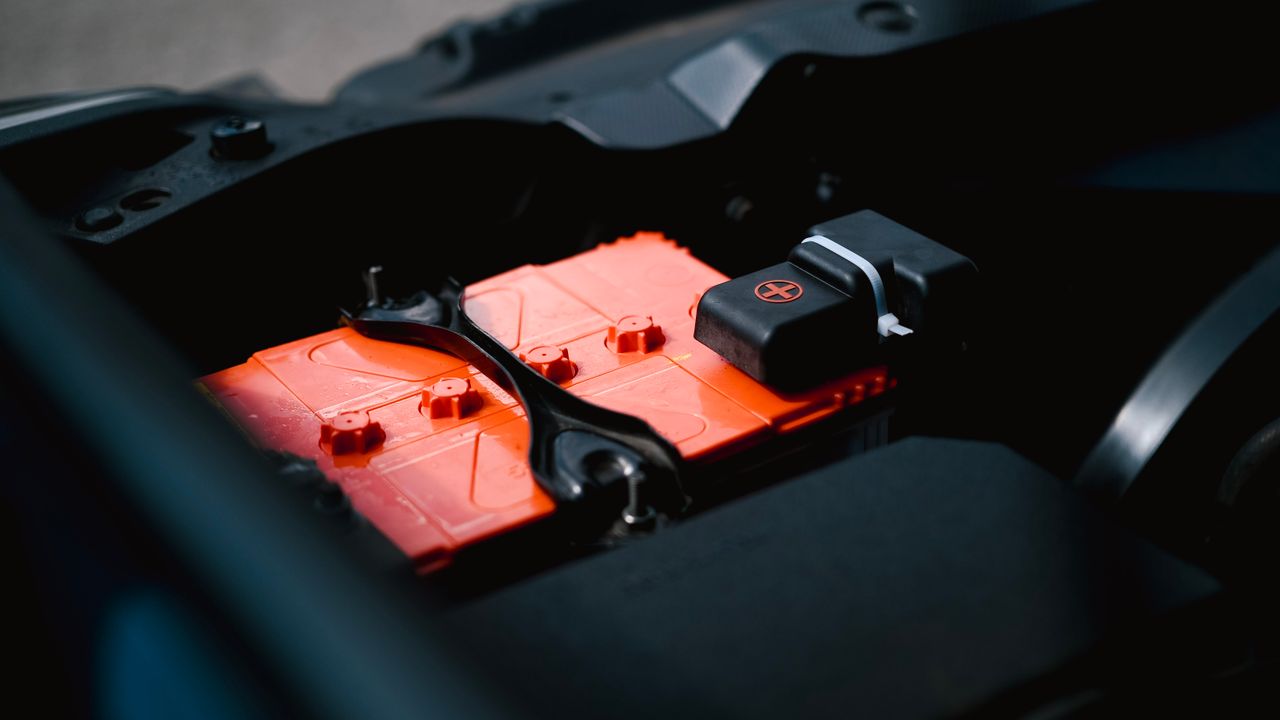
rails pittedWater ends control units. Replacements arrive stamped with the year they were made, which is rarely the year the car was built.
stamp 2023Both headlamp housings dated later than the build month. Fogged lamps get swapped together, and the codes on the back keep the date.
pair dated 2024A dried mud ring under the boot mat, left where water stood and then evaporated. It survives a valet and most detailers.
ring 2 cmThe door shell is where water marks last the longest, because nobody cleans inside it. Four readings come out of one panel, and a buyer can see none of them from the pavement.
None of the four is visible from the curb. None of them appears in a register.
Chloé Bergeron works nights at a hospital in Québec City. In March she found a 2019 compact SUV listed in Lévis at CA$21,900, 96,000 km on the clock, described in the advert as never having been in a collision and serviced in full.
The registers agreed with the advert. No brand on the title, no lien against the VIN, no write-off, no import record. Two provincial systems said the same thing, and Étienne, her partner, thought the search was finished.
The reading took fifty minutes in the seller's driveway. The inner door skin carried a tide line at forty-one centimetres, both sills held grit in the drains, the seat rails had begun to pit under carpet that had clearly been replaced, the body control module was stamped 2023, and both headlamp housings dated a year after that.
The seller had bought the car at an auction in Beauce the spring after the river came over its banks. The previous owner had never filed a claim, so no insurer had ever written anything down, and the car kept a clean record through the whole episode.
Chloé did not buy it. She bought a 2020 hatchback from a dealer in Sainte-Foy three weeks later, and the reading on that one came back with a stamp on every module that matched the month the car was built.
A register records what somebody claimed. Water never claims anything.

Water damage is one of forty checks on a Telltale sheet. It is also the one that hides best behind a clean history, which is why the values matter more than the verdict.
Four of the places a reading happens. None of them needs a lift, and none of them needs the seller to leave the room.


Forty checks in four groups. The sheet comes back in plain language, with a value written beside every line, so a finding can be argued with instead of just believed.
| Group | What is read | Where it comes from |
|---|---|---|
| Registers | Brand, lien, write-off, recall, odometer and import entries | Provincial and federal records, looked up by VIN |
| Modules | Restraint log, readiness monitors, module stamps and stored codes | The diagnostic port, before anything is cleared |
| Body | Paint depth per panel, seam sealer, fastener heads, panel gaps | A gauge and a lamp, panel by panel |
| Water | Door cavities, sill drains, seat rails, spare well, connectors | Trim off, panels open, forty minutes |
40 checks50 minutes on sitesheet inside 48 hours
Both columns can be true at the same time. That is the entire reason a reading exists.
Send the listing link or the VIN. A quote comes back the same working day, and the sheet arrives within forty-eight hours of the visit.
No. A history report reads what somebody filed. A reading looks at the car and at its modules, then compares the two. Where they disagree, the disagreement is the finding.
No. Trim panels come off, the diagnostic port is read, and the cavities are checked from the ground. A lift is useful for a separate mechanical inspection, not for this sheet.
The reading stops and the quote stands unused. A refusal before the visit is worth knowing about on its own.
Visits run in Quebec, Ontario and New Brunswick. The register checks run for all thirteen provinces and territories, whatever the car was titled in.
Fifty minutes on site on average, and the sheet lands within two working days. Winter visits can run longer when the car has been sitting outside.
Akabo Media Ltd, a private company registered in London, publishes it on behalf of Telltale. It is paid promotional content, not a news report.